Does the MG Gloster Lose Power in High-Altitude Regions Like Leh and Spiti
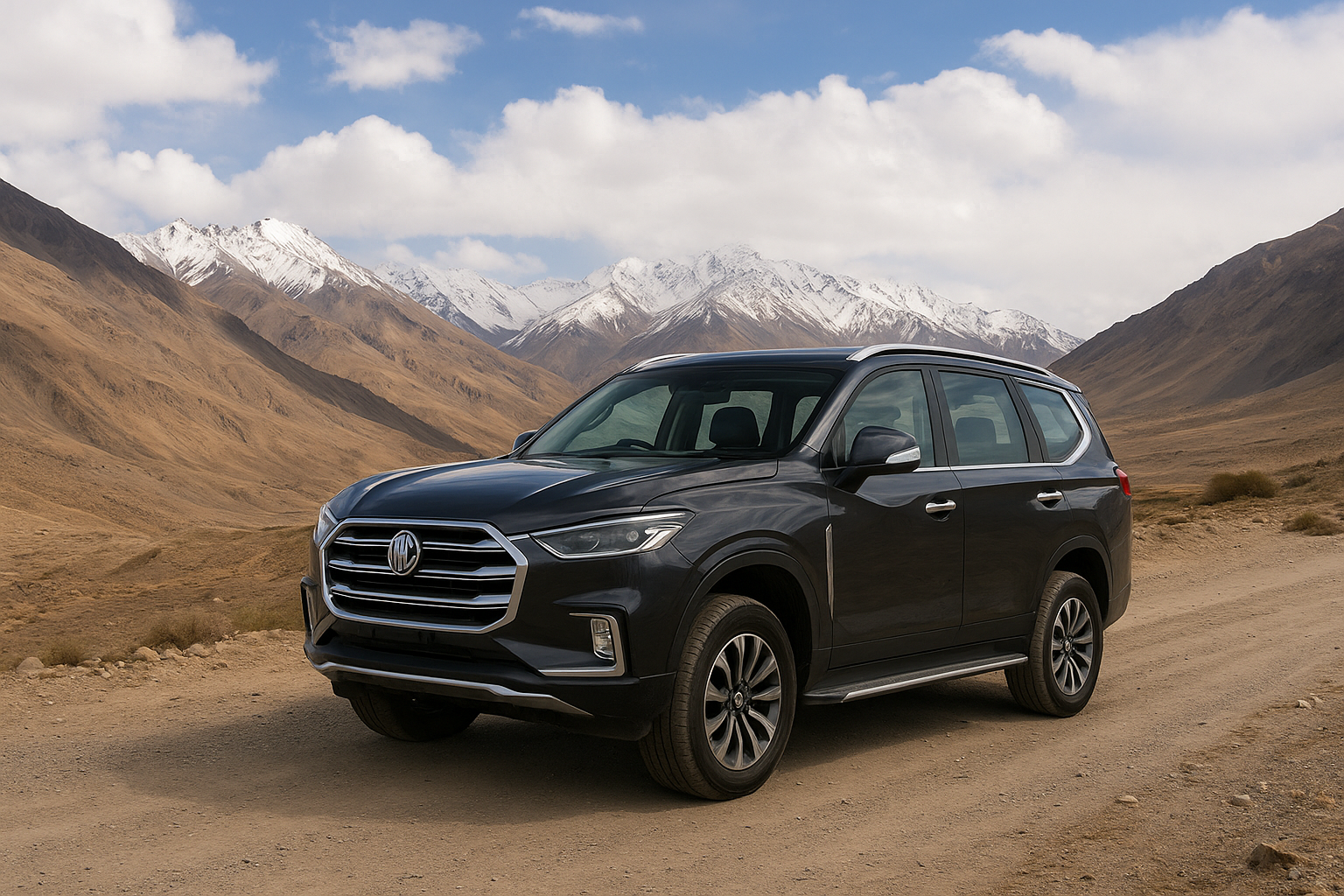
For many SUV buyers in India, one of the biggest dreams is to take their vehicle on a road trip through the Himalayas. Destinations like Leh, Spiti, and Ladakh are on every travel enthusiast’s bucket list. But when it comes to driving at such high altitudes, performance becomes a serious concern. Among the popular premium SUVs, the MG Gloster has gained attention for its features, comfort, and size. The real question, however, is “does the MG Gloster lose power in high-altitude regions like Leh and Spiti?“
Why Cars Lose Power at High Altitudes
Before focusing on the Gloster, it’s important to understand why vehicles face power issues in places like Leh and Spiti. At higher altitudes, the air becomes thinner, which means there is less oxygen available for combustion. Internal combustion engines rely heavily on oxygen to burn fuel efficiently. As a result, even powerful diesel SUVs can feel sluggish or underpowered when climbing steep inclines in such conditions.
Driving the MG Gloster through high-altitude regions like Leh and Spiti is a dream for many SUV enthusiasts, but it also brings up a common question—does the Gloster lose power in such conditions? The answer lies in science. At elevations of around 10,000 feet, the air density drops by nearly 30% compared to sea level. With less oxygen available, all internal combustion engines—whether petrol or diesel—face reduced performance. In fact, studies show that vehicles can experience up to 20–25% power loss at such heights.
The MG Gloster does have an advantage here because it is powered by a 2.0-litre twin-turbo diesel engine. Turbochargers force more air into the cylinders, helping reduce the impact of thin air. Still, even turbocharged SUVs cannot completely avoid some power drop when climbing extreme passes like Khardung La or Chang La, which rise above 17,500 feet. That’s why MG, like other manufacturers, acknowledges this challenge and even provides a high-altitude kit for frequent mountain travelers.
How the MG Gloster Performs in the Mountains
The MG Gloster is equipped with a 2.0-litre twin-turbo diesel engine that produces 215 bhp and 480 Nm of torque. On paper, this looks more than capable of handling mountain drives. Owners who have taken the Gloster to Leh and Spiti have shared mixed experiences:
- Many say the SUV manages well on highways and moderate mountain roads thanks to its strong torque delivery.
- However, in extreme high-altitude passes, some owners have noticed a drop in power, especially when fully loaded with passengers and luggage. This isn’t unique to the Gloster—it’s a common issue with almost all diesel SUVs in such regions.
Is There a Solution
MG has reportedly provided a “high-altitude kit” for customers who frequently drive in mountainous areas. This kit is designed to improve the engine’s efficiency and reduce power loss at higher elevations. While it may not completely eliminate the problem, it certainly helps in maintaining smoother performance.
Additionally, using good quality diesel, keeping the vehicle well-maintained, and driving in the right gear can make a significant difference during high-altitude trips.
If You’re Planning a Leh/Spiti Trip
If you’re planning a one-time road trip to the Himalayas, the Gloster should serve you well as long as you drive with patience and avoid overloading the SUV. For frequent travelers, checking with MG dealerships about the altitude kit and service recommendations is a smart move.
Final Thoughts
Yes, the MG Gloster can experience some power loss at very high altitudes like Leh and Spiti, but so do most other large diesel SUVs. The difference lies in how you prepare and maintain your vehicle before the journey. With its spacious cabin, comfort features, and capable engine, the Gloster remains a solid choice for long road trips—even into the mountains.
Related Post
MG Hector Best SUV Under 25 Lakh in India in 2025 : Price, Variants and Features
The MG Hector Best SUV Under 25 Lakh in India in 2025. Hector refresh brings [...]